







Common Faults in PM Sensor Replacement
Replacing a PM sensor—also known as a soot sensor—is critical for accurate Diesel Particulate Filter (DPF) regeneration and emissions control. However, even small mistakes during replacement can lead to new fault codes, poor sensor performance, or system lock‑out. Below are the five most common faults technicians encounter when swapping a PM sensor and practical tips to avoid them.
❌ Fault 1: Damaged Connector or Pin Corrosion
- Cause: Forcing the harness plug, neglecting to inspect for moisture or soot contamination.
- Symptom: Intermittent or no signal; DTCs like P24AE “PM Sensor Circuit Range/Performance.”
- Prevention: Always disconnect and carefully inspect the connector. Clean contacts with dielectric grease and replace corroded pins before reassembly.
❌ Fault 2: Incorrect Thread Torque
- Cause: Using an impact tool or guessing torque.
- Symptom: Exhaust leaks around sensor, broken sensor bung threads, P200E “Exhaust Leak Detected.”
- Prevention: Use a calibrated torque wrench set to OE specification (typically 30–40 Nm). Hand‑start threads to avoid cross‑threading.
❌ Fault 3: Skipping Sensor Calibration/Adaptation
- Cause: Clearing DTCs without performing a PM sensor reset or DPF relearn.
- Symptom: Immediate recurrence of soot codes; continuous or incomplete regeneration cycles.
- Prevention: After installation, use your scan tool’s “PM Sensor Reset” or “DPF Reset” function before road testing.
❌ Fault 4: Installing on a Hot Exhaust
- Cause: Attempting removal/installation immediately after shutdown.
- Symptom: Personal injury risk; rounded sensor hex and tool damage.
- Prevention: Allow the exhaust and sensor to cool for 30–60 minutes. Use heat‑resistant gloves and the proper high‑temp socket.
❌ Fault 5: Ignoring Sensor Tip Condition
- Cause: Assuming a new sensor arrives clean; reinstalling a clogged sensor.
- Symptom: Inaccurate soot readings; DTCs like P26FA “PM Sensor Low” or “High.”
- Prevention: Inspect the sensor probe for residual soot or ash build‑up. If present, replace rather than attempt cleaning.
Best Practices Summary
| Fault | Prevention Tip |
|---|---|
| Damaged connector or corroded pins | Clean and inspect connector; replace bad pins |
| Incorrect torque on sensor threads | Use calibrated torque wrench at OE‑specified setting |
| Skipping calibration or DPF reset | Run “PM Sensor Reset”/“DPF Relearn” via scan tool |
| Installing on hot exhaust | Let sensor/exhaust cool; use protective equipment |
| Ignoring sensor tip condition | Always inspect probe; replace if clogged or damaged |
A reliable PM sensor replacement hinges on careful handling, correct torque, and proper calibration. By avoiding these common faults, technicians ensure first‑time‑right repairs, maintain DPF efficacy, and support emissions compliance.
In engineering terms: Precision in replacement translates to performance in operation.
Series Navigation
- What is a PM Sensor and Why It Matters in Emission Control
- How PM Sensors Optimize DPF Regeneration in Diesel Engines
- Rugged PM Sensors for Off-Highway and Construction Equipment
- Understanding Common PM Sensor Fault Codes and How to Resolve Them
- How to Choose the Right PM Sensor for Your Vehicle or Fleet
- Troubleshooting and Maintaining PM Sensors
- Compact PM Sensors for Hybrid and Plug-In Vehicles
- Why PM Sensors Fail: Common Causes, Fault Indicators, and Prevention Tips
- How to Troubleshoot a PM Sensor: Step‑by‑Step Guide
- How to Replace a PM Sensor: Step‑by‑Step Guide
- ✅ Common Faults in PM Sensor Replacement


Related article resources and products
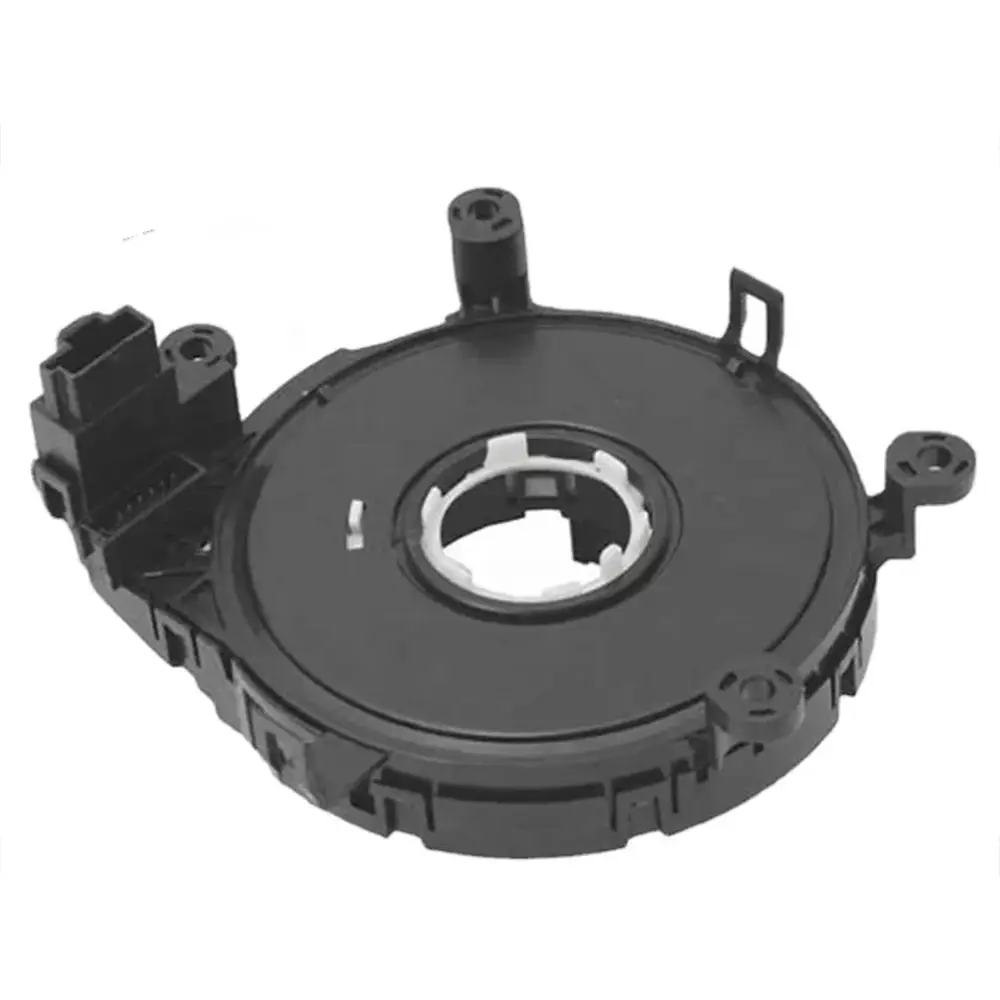
Steering Angle Sensor
1. MOOCAR Steering Angle Sensor provides accurate feedback on wheel orientation for optimal vehicle dynamics. 2. MOOCAR Steering Angle Sensor production processes comply with IATF16949…
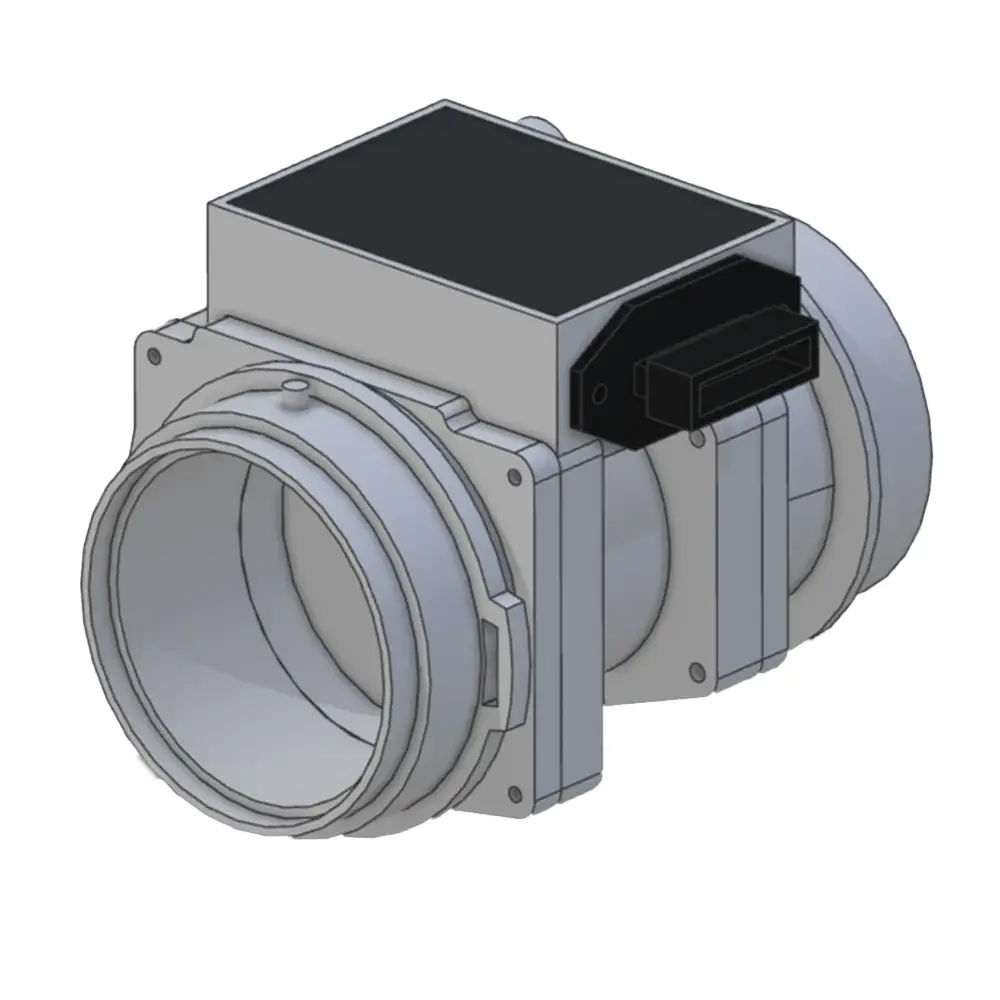
Air Flow Sensor
MOOCAR Air Flow Sensor accurately measures intake air for efficient engine management. MOOCAR Air Flow Sensor production processes comply with IATF16949 and ISO14001 standards, it’s…

Coolant Temperature Sensor
MOOCAR Coolant Temperature Sensor provides real-time monitoring of engine temperature for optimal thermal management. MOOCAR Coolant Temperature Sensor production processes comply with IATF16949 and ISO14001…

How to Replace an Exhaust Gas Temperature Sensor: Step‑by‑Step Guide
Follow our detailed guide to safely replace an EGT sensor on diesel and gasoline vehicles. Covers tools, removal, installation, torque specs, and final verification to…
ACC Sensor Failure Analysis: Forensic Investigation & Design Evolution
Discover why ACC sensors fail! Learn failure analysis methods, material degradation patterns, and design solutions from 10,000+ field returns.
Why BSD Sensors Fail: Root Causes, Fault Indicators, and Prevention
Stop BSD failures! Learn the top 5 causes of blind spot sensor failure, early warning signs, and proven prevention strategies based on 10,000+ repair cases.