







NOx Sensor Selection Criteria for Aftermarket Applications
1. Prioritizing Vehicle Compatibility
Aftermarket service providers must support diverse makes and models. Key considerations include:
- Universal vs. Vehicle-Specific Units: Universal sensors offer broad compatibility via adjustable mounting kits, whereas vehicle-specific sensors provide plug-and-play connectors for exact OEM fitment.
- Adapter Harnesses: Using harness kits with multiple pin configurations reduces inventory of unique part numbers.
- Software Matching: Opt for sensors preloaded with multiple calibration maps or those programmable via handheld tools to suit different ECU protocols.
2. Focus on Ease of Installation
Technicians value time-saving designs:
- Integrated Mounting Brackets: Preformed brackets and gaskets simplify alignment, reducing labor time by up to 40%.
- Self-Sealing Connections: Quick-lock connectors and integrated O-rings prevent air leaks without additional sealants.
- Clear Documentation and Support: Detailed step-by-step guides and responsive tech support minimize installation errors.
3. Balancing Cost and Quality
Aftermarket parts must be affordable yet reliable:
- Tiered Product Lines: Stock both standard-grade sensors for budget repairs and premium-grade units with extended warranties for high-demand fleets.
- Bulk Packaging Options: Buying in multi-packs lowers per-unit cost and speeds frequent repairs.
- Quality Assurance: Choose suppliers with ISO/TS 16949 certification and consistent lot tracking to ensure performance parity with OEM parts.
4. Calibration and Verification in the Field
Post-installation calibration ensures accurate readings:
- Onboard OBD Learning: Some sensors self-calibrate by leveraging the ECU’s adaptation routines—verify via diagnostic scans.
- Handheld Calibration Tools: Provide technicians with portable devices to fine-tune sensor output against known NOx concentrations.
- Verification Tests: Use portable gas testers or Emissions Analyzers to confirm proper sensor function before returning the vehicle.
5. Inventory Management and Lifecycle Support
Efficient aftermarket operations require smart stocking and service:
- Common Failure Analysis: Track warranty returns to identify trends (e.g., certain models prone to sensor damage from exhaust leaks).
- Predictive Restocking: Use sales data and seasonal repair patterns to maintain optimal inventory levels.
- After-Sales Training Programs: Offer workshops or online modules to educate technicians on new sensor technologies and installation best practices.
For aftermarket professionals, selecting NOx sensors goes beyond technical specifications. By focusing on compatibility, installation efficiency, cost-quality balance, field calibration, and robust support, repair shops and retrofit specialists can deliver reliable service, minimize downtime, and build customer trust.
Series Navigation
- Understanding NOx Sensors: Basics and Importance
- NOx Sensor Technology Deep Dive
- Integration of NOx Sensors in SCR After-Treatment Systems
- ✅NOx Sensor Selection Criteria for Aftermarket Applications
- Troubleshooting and Maintenance of NOx Sensors
- Why NOx Sensors Fail: Common Causes, Diagnostics, and Prevention
- Guide of Troubleshoot a NOx Sensor
- How to Replace a NOx Sensor: Step-by-Step Guide
- Common Faults in NOx Sensor Replacement


Related article resources and products
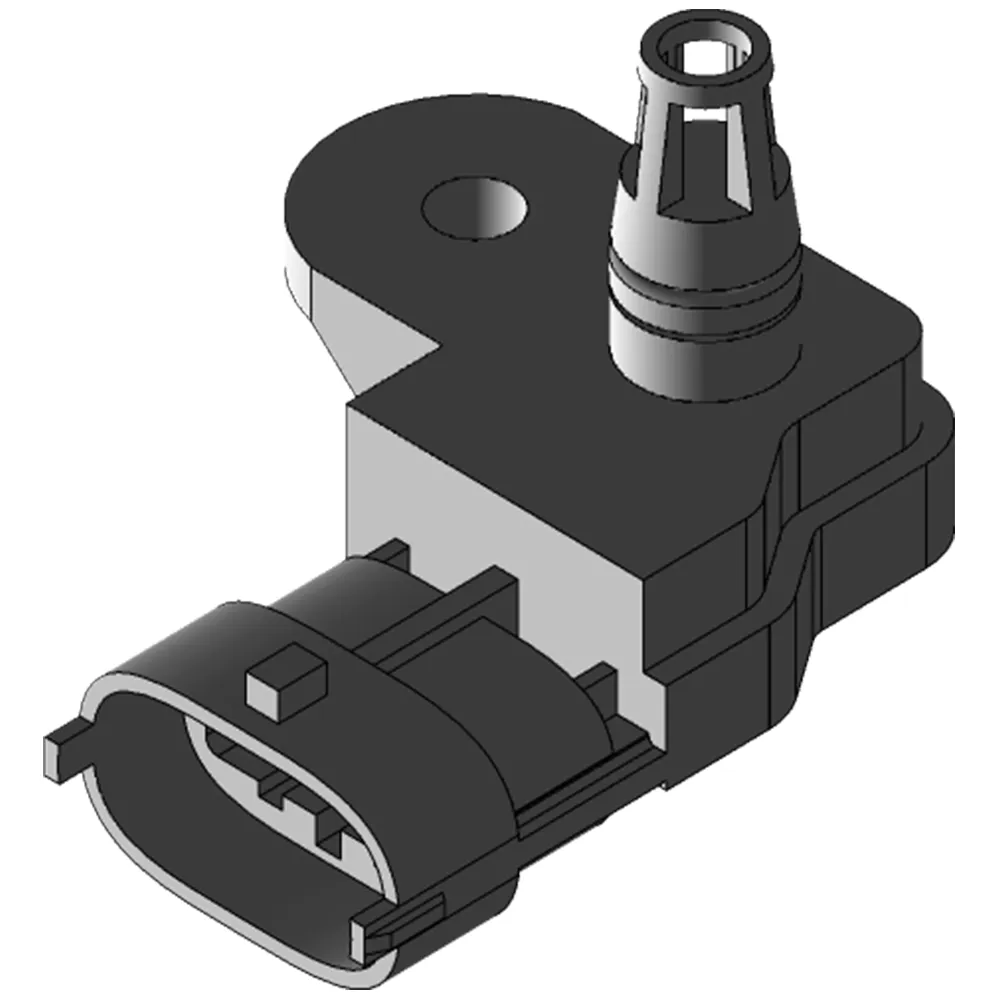
MAP Sensor
MOOCAR MAP Sensor measures manifold pressure for optimal engine tuning. MOOCAR MAP Sensor production processes comply with IATF16949 and ISO14001 standards, with performance fully aligned…
ODO Meter
MOOCAR ODO Meter provides accurate mileage tracking for efficient vehicle monitoring. MOOCAR ODO Meter production processes comply with IATF16949 and ISO14001 standards, with performance fully…

Thermo-Switch
MOOCAR Thermo-Switch ensures safe operation by accurately detecting critical temperature thresholds. MOOCAR Thermo-Switch production processes comply with IATF16949 and ISO14001 standards, with performance fully aligned…

How to Replace a PM Sensor: Step‑by‑Step Guide
Follow this detailed guide to replace a PM (Particulate Matter) sensor safely and correctly. Covers tools, removal, installation, calibration, and final verification for reliable DPF…
Guide of Emission System
Modern vehicle emission systems form a complex, closed-loop network of sensors, control units, and after-treatment devices designed to monitor and minimize harmful exhaust pollutants. For…
Compact PM Sensors for Hybrid and Plug-In Vehicles
Discover our compact, energy-efficient PM sensors tailored for hybrid and plug-in hybrid vehicles, ensuring reliable emission monitoring during intermittent engine use.